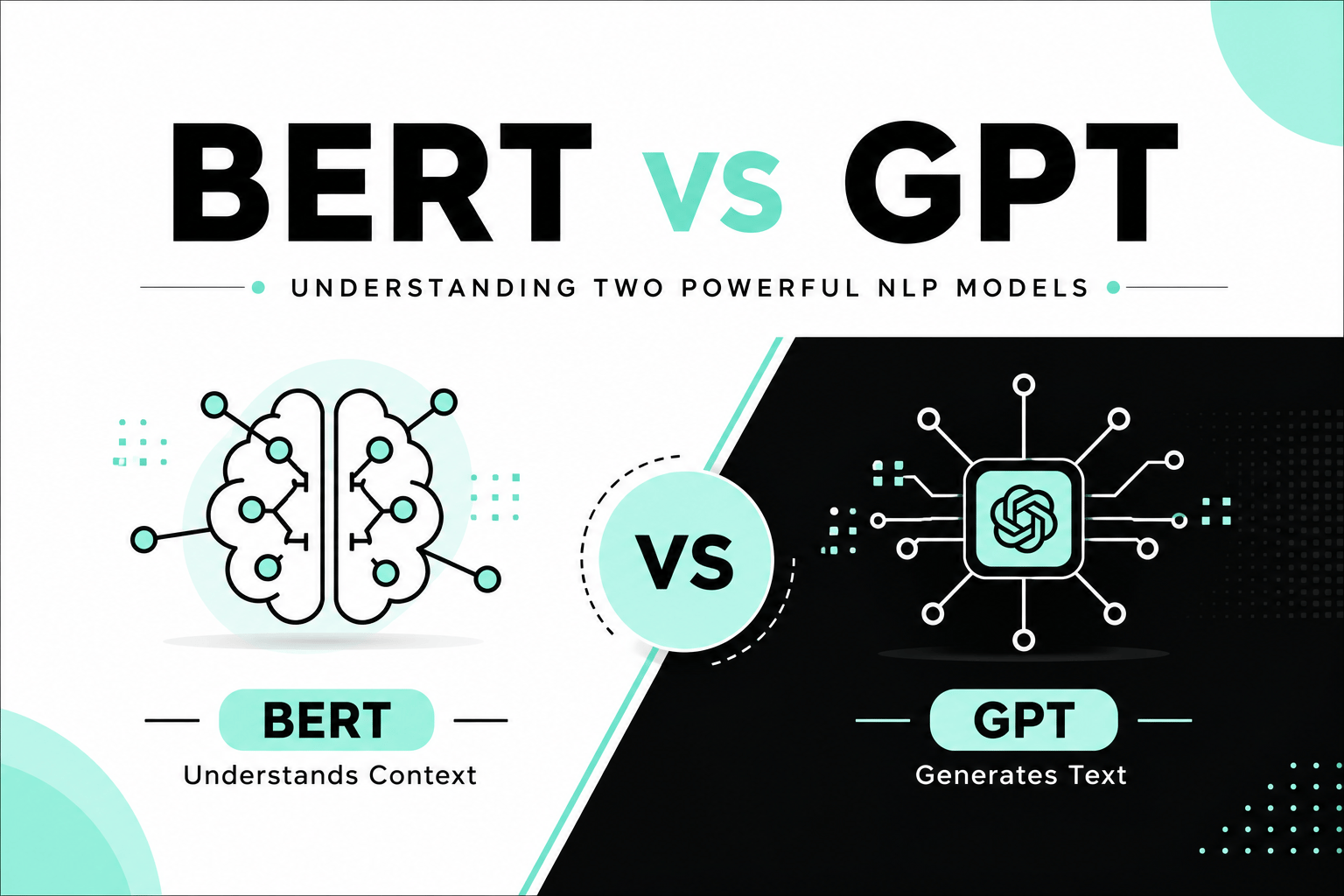
"If BERT is so powerful, why does everyone seem to talk only about GPT?"
If you've recently started exploring Artificial Intelligence, you've probably had this question at least once. Every blog, YouTube video, or LinkedIn post seems to revolve around GPT, while someone else insists that BERT is still the better choice for understanding language. It almost feels like the AI community can't decide which one deserves the spotlight.
So, what's the truth?
Is GPT simply the newer and better version of BERT? Has BERT become outdated? Or are they solving two completely different problems that often get confused?
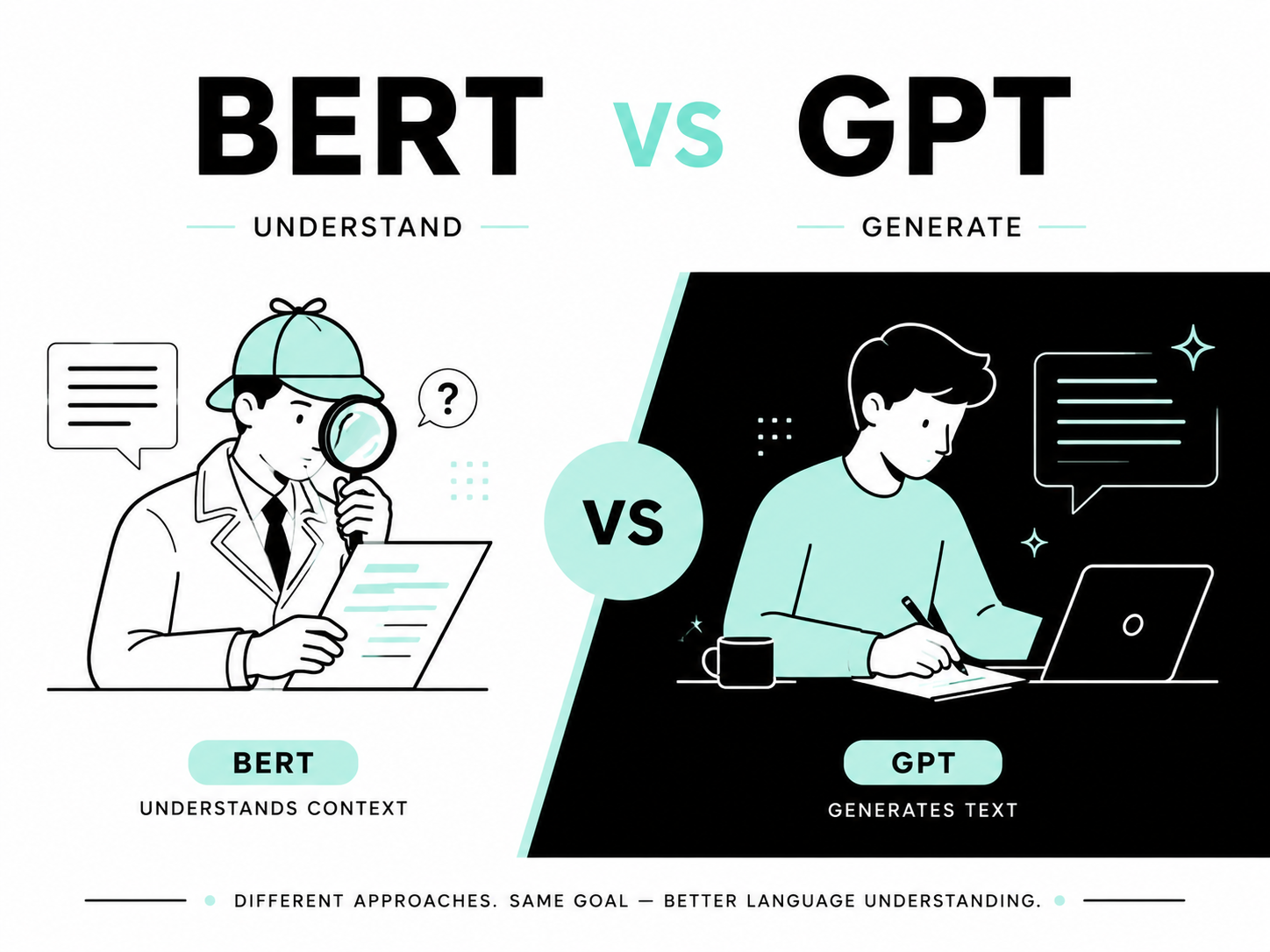
The short answer is that BERT and GPT were built with different goals in mind. Comparing them without understanding those goals is a bit like comparing a detective with a novelist - both work with language, but they excel at entirely different tasks.
In this article, we will break down the differences using simple explanations, relatable examples, and real-world scenarios. No dense research papers, no confusing terminology. Just a practical understanding of when BERT shines, when GPT takes the lead, and why both continue to play an important role in modern AI.
Before We Dive into BERT and GPT
Let's start with a simple example.
Imagine a friend sends you this message:
"I saw her duck."
Now, what does duck mean?
Is it the bird?
Or does it mean she quickly bent down to avoid something?
You probably figured out the correct meaning without even realizing it. Your brain naturally looked at the words around it and figured it out. We do this sort of thing everyday, while reading, listening, or talking, and it's all second nature to us.
Now if you're a computer, this wasn't always the case. Sure you could recognize the words, but what were they actually saying? This is why we've said reading text wasn't the problem, it was understanding it.
The Real Challenge: Reading Is not the Same as Understanding
Early Natural Language Processing (NLP) models were surprisingly good at recognizing words. They could identify patterns, count frequencies, and even match keywords. But when it came to understanding how words relate to each other, they often fell short.
Think of it like asking someone to read a novel one word at a time without letting them see the sentences before or after. They might recognize every word perfectly, yet completely miss the meaning of the story. That was the limitation of many early language models.
Researchers knew this approach was not enough. Language is all about relationships, context, and meaning, not just individual words.
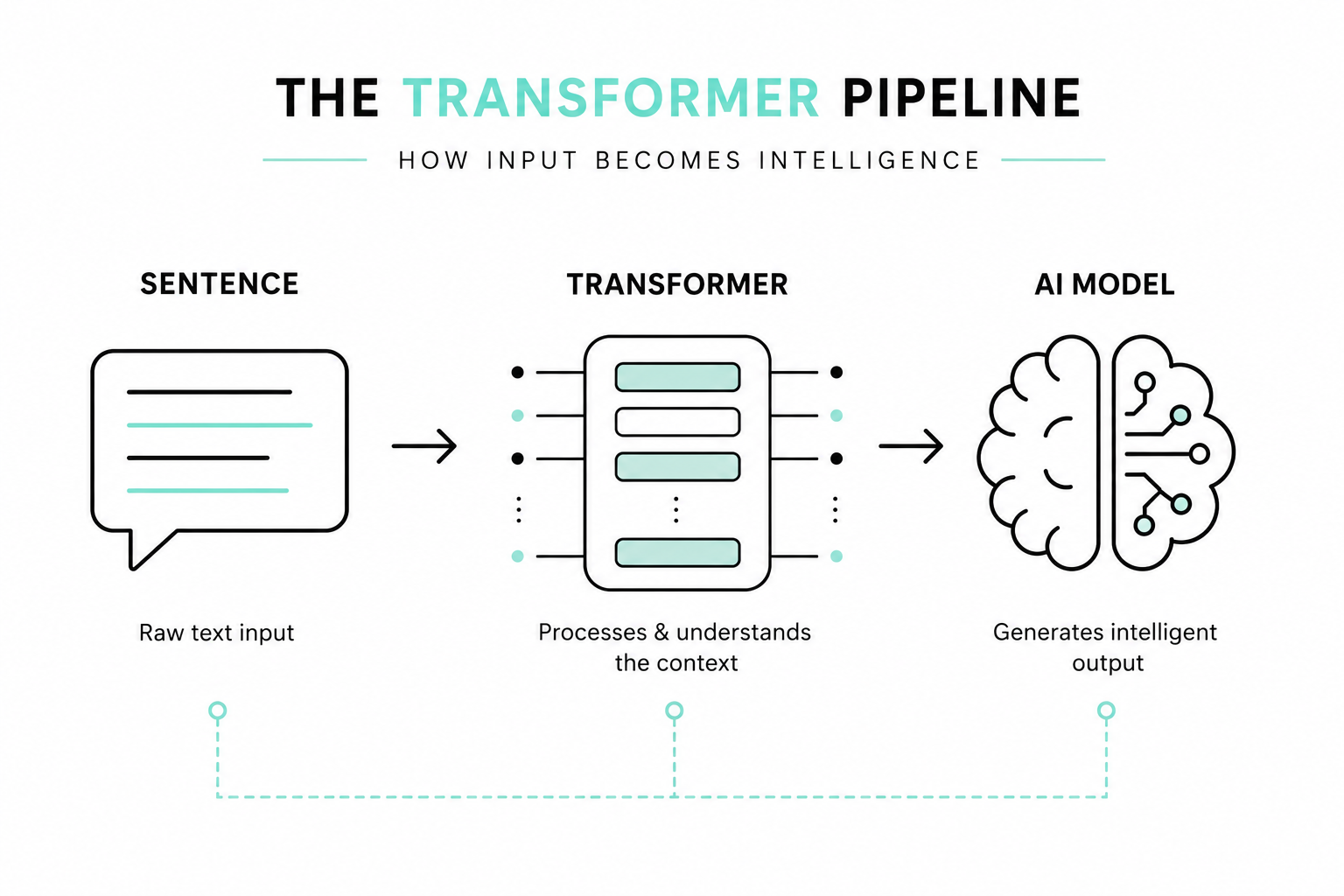
Everything changed in 2017 with the introduction of the Transformer architecture by google deepmind. It gave AI a much better way to understand how words connect with one another, laying the foundation for the two models that would redefine modern NLP: BERT and GPT.
Meet BERT
Before GPT became the face of modern AI, there was BERT. A model that completely changed how computers understand language.
BERT stands for Bidirectional Encoder Representations from Transformers. It's a mouthful, and honestly, researchers could have picked a shorter name. Fortunately, understanding BERT is much easier than pronouncing it.
The simplest and most straightforward explanation is that Google's BERT is an amazing reader and understands the context. By the way, this algorithm differs significantly from traditional question-answering systems because it is not designed to answer questions directly. One should also note that this technology is not focused primarily on finding answers. One of the main features of BERT is the ability to understand exactly what has been said in a given piece of text.
In other words, if you ask BERT to read a sentence and tell you what it said, it will not jump to the nearest conclusion. This system needs time to analyze each word and the context in which it is used to understand the exact meaning of a phrase.
What Makes BERT Different?
Consider this sentence:
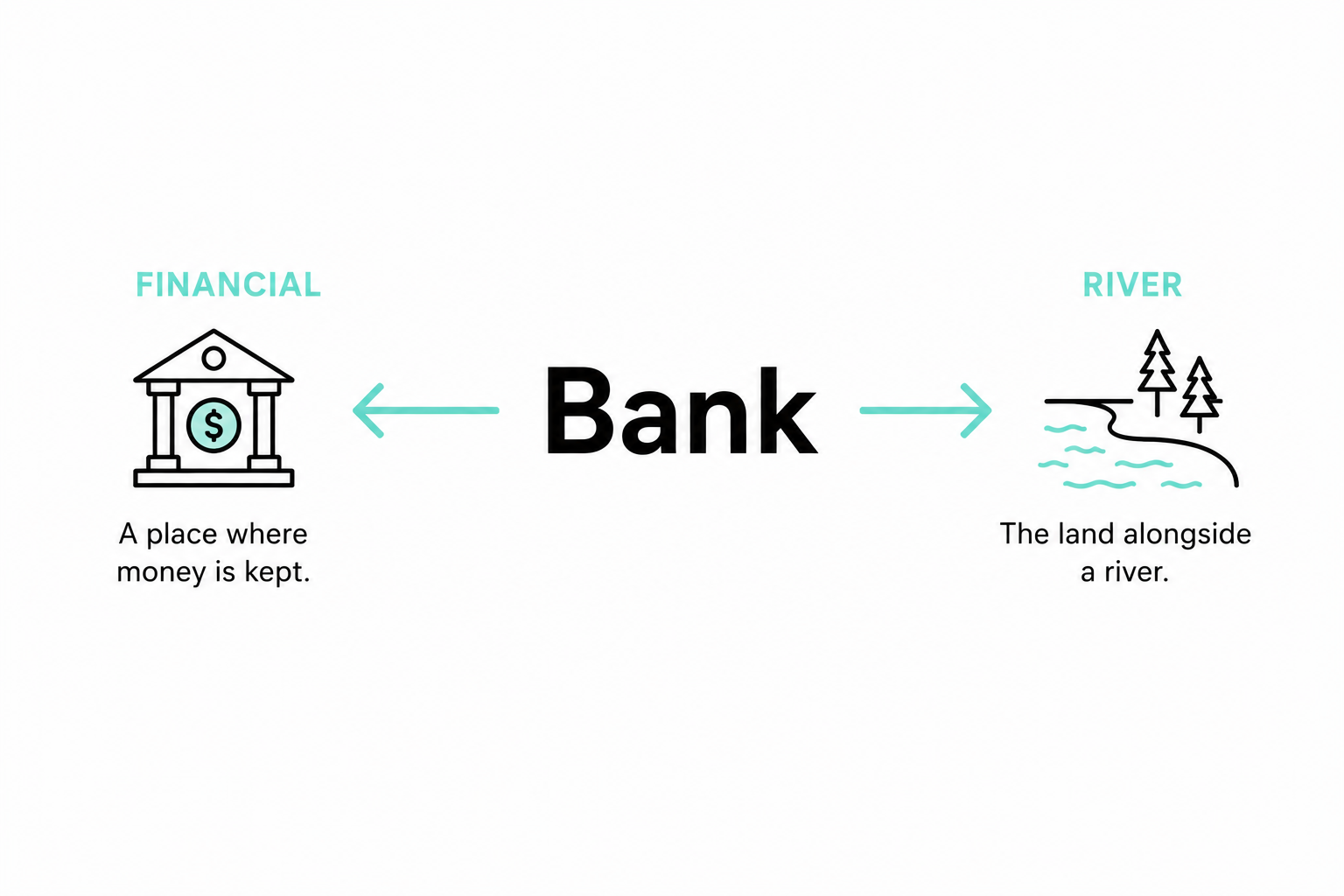
"The bank was closed."
Now ask yourself, what does bank mean here?
Is it the edge of a river?
Or is it a financial institution?
Without additional context, either answer could be correct.
This is exactly where BERT shines.
Unlike the previously developed language models, which mostly focused on analyzing the given text on the left side of the target word, BERT uses both texts on the left and right and makes a conclusion based on that. This is also called a bidrectional approach, as opposed to an unidirectional one used by other language models. This allows BERT to make assumptions about a word’s meaning based on the context that it appears in.
In other words, BERT is capable of understanding a given word by looking at both sides of it and analyzing the whole sentence. It is similar to a detective who only draws conclusions when they have enough evidence to point toward one particular suspect.
This approach is great for implementing tasks such as search, sentiment analysis, question-answering, or text classification, and it has proven to be significantly more accurate than the ones used before.
Then Came GPT
While BERT focused on understanding language, researchers explored a different idea:
What if a model could generate text instead of just understanding it?
That question led to GPT, which stands for Generative Pre-trained Transformer.
Unlike BERT, GPT does not look at the entire sentence and make predictions about the word. Instead, it makes assumptions about the most likely word that would come next and uses that word to predict the following word. This process continues until a full sentence or a whole article is formed. In fact, this is how chatGPT works, it just gets really good at predicting the next word.
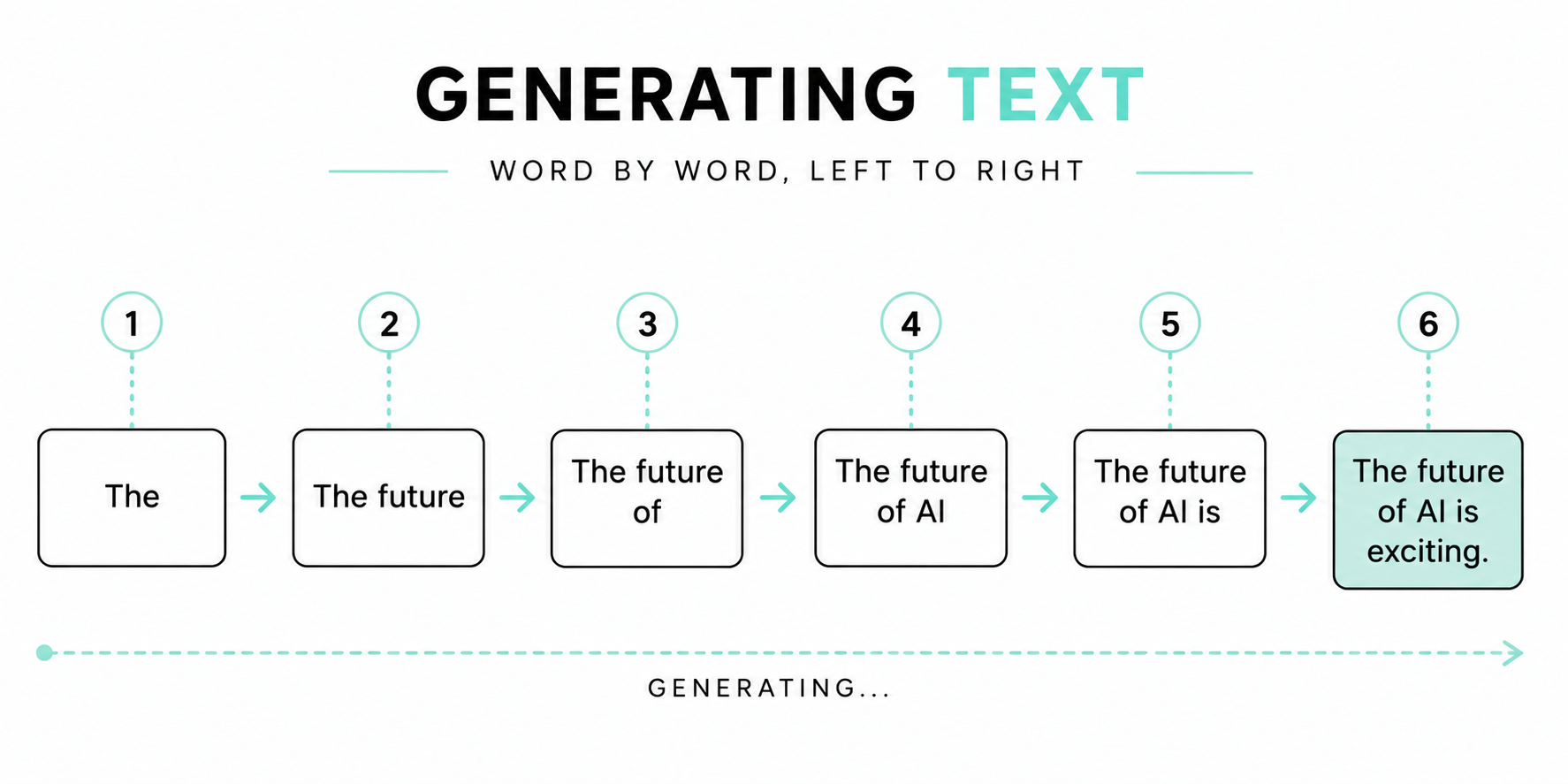
GPT Thinks Like Smart Autocomplete
A simple way to understand GPT is to think of it as autocomplete, but far more intelligent.
Imagine you start a sentence:
"Once upon a time..."
GPT does not actually know the solution to the end of the story but makes predictions about the next word at each step. It uses these predictions as its answer, and so on and so forth, creating an entire response in whole.
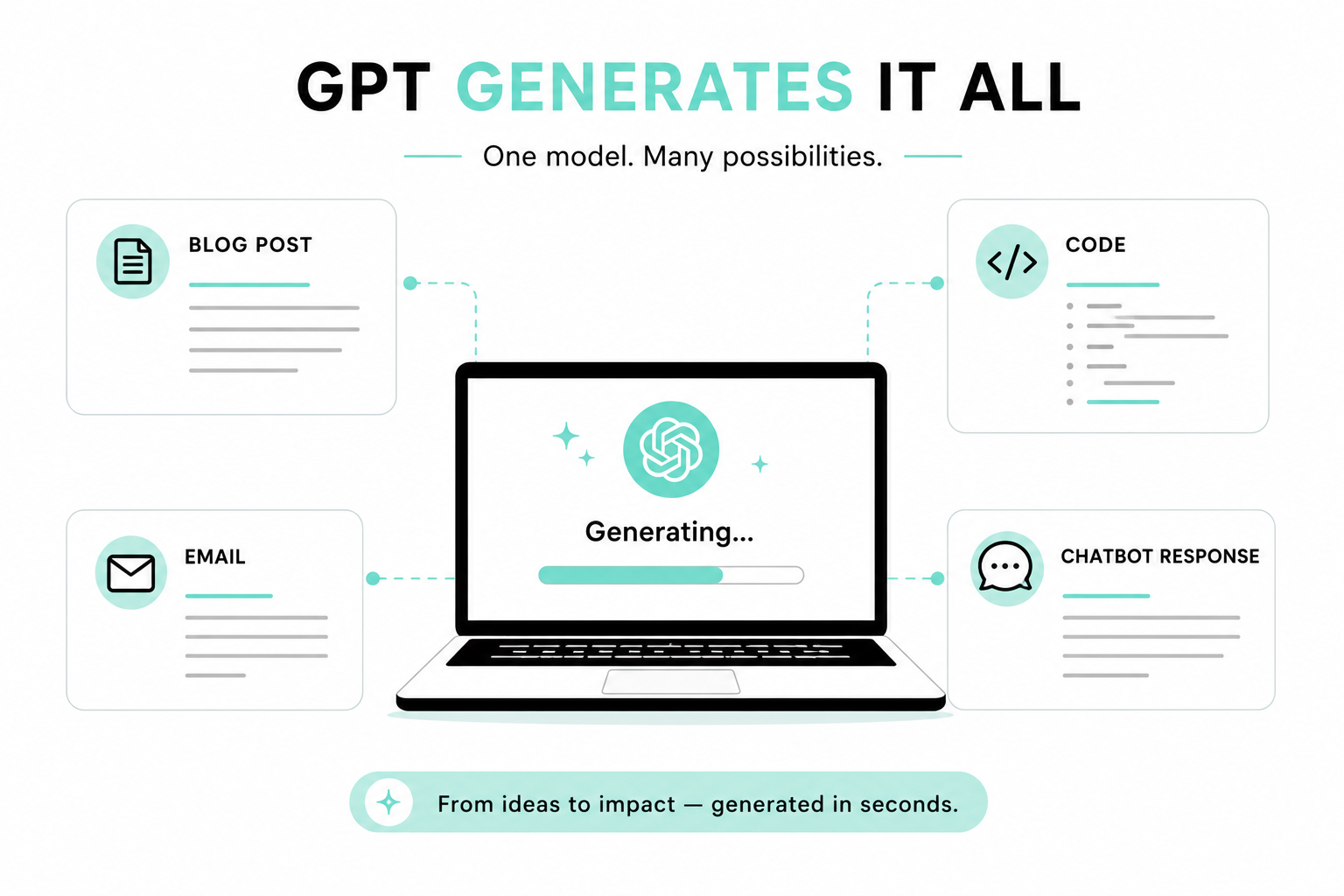
Even though it appears that GPT is thinking, it is actually running through millions of potential subsequent words in light of everything it has been educated on previously. This is how it can be utilized to write articles, respond to inquiries, construct code, and engage in conversation.
The Biggest Difference
At first glance, BERT and GPT may seem similar because they're both built on the Transformer architecture. The real difference lies in how they process language.
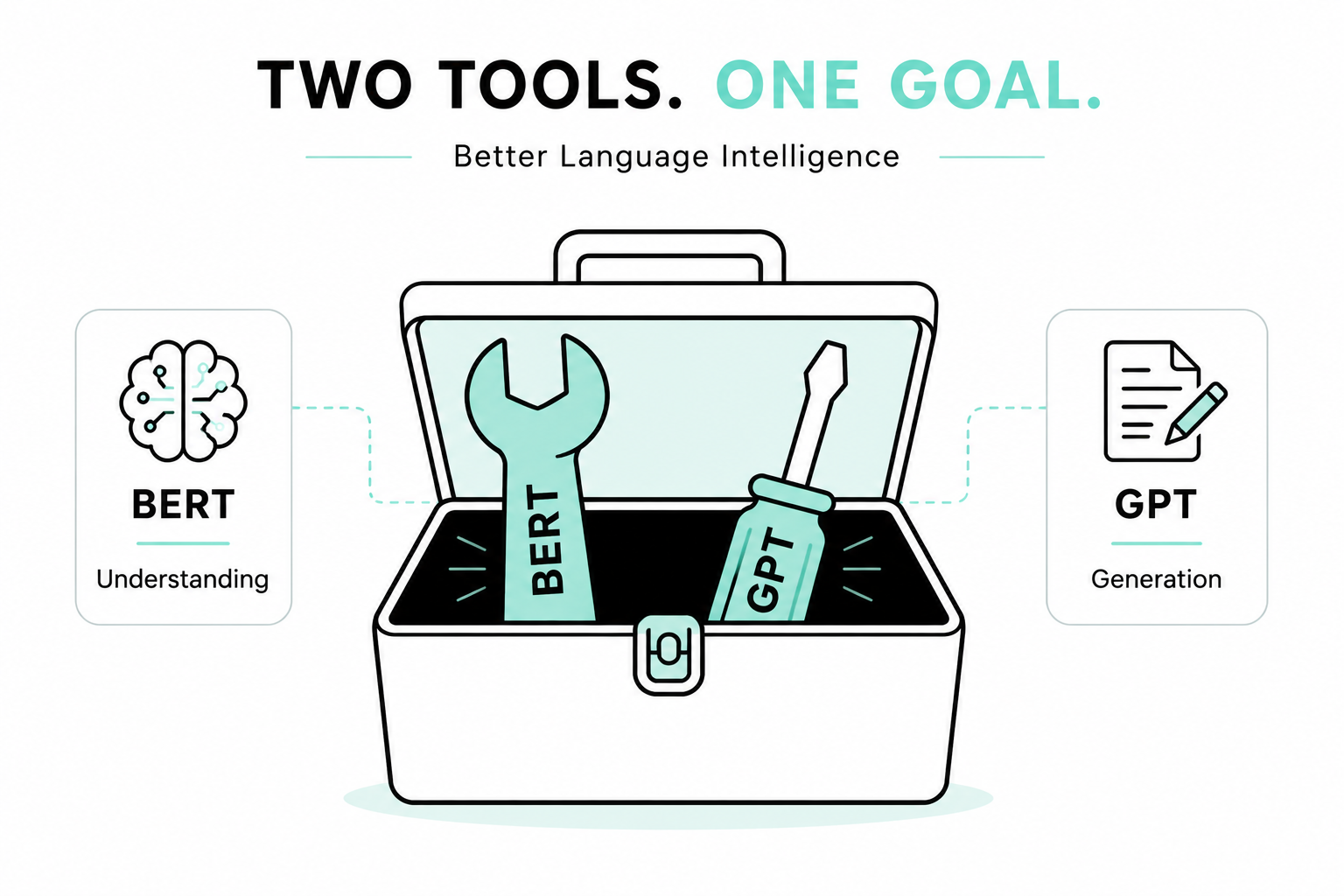
BERT is designed to understand text. It looks at the entire sentence before deciding what each word means. GPT, on the other hand, is designed to generate text. It predicts one word at a time, gradually building a complete sentence or paragraph.
In simple terms, BERT reads first, GPT writes first.
Can GPT Replace BERT?
Not actually.
Many people assume GPT replaces BERT simply because its newer and more popular. But that's like asking whether a detective can replace a novelist. Both work with language, but they have different strengths.
BERT excels at understanding context, while GPT excels at creating content. The better model is not the more popular one but it's the one that's designed for the task you want to solve.
Real-World Examples
Let's see where these models fit into everyday applications.
When you search for "best cafes near me open now," the search engine first needs to understand what you are actually looking for before showing relevant results. Thats a language understanding problem, where models like BERT perform exceptionally well.
Now let's say you ask an AI to "write a Python program to reverse a string". The purpose here is not for you to understand what the user is saying, but rather to generate new content. Which is what GPT is for. Exactly as in the following example:
In the email spam classification task, the goal is to understand what the email is about, so that a model can be built to distinguish between spammy and non-spammy emails. On the other hand, if you ask "how to reverse a string in Python", you're asking to generate a text document, not understand what the user wrote.
Which One Should You Learn First?
If you're beginning your NLP or AI journey, don't jump straight into BERT or GPT. Start by understanding the Transformer architecture, since both models are built on it. Once you're comfortable with the basics, learning BERT and GPT becomes much easier, and many modern language models will start to make sense.
Final Thoughts
BERT and GPT aren't competing to replace each other - they are solving different problems.
BERT is built to understand language, while GPT is built to generate it. One analyzes context before making a decision, and the other creates text one word at a time.
The next time someone asks, "Which is better, BERT or GPT?", the best response is another question:
"Better for what?"
In AI, choosing the right model is never about popularity - it's about selecting the right tool for the job.
🫣 Yes, yes... I know. I only spent a few tokens on this. Don't tell my AI budget.